Austria is a country of detailed rules and strong protection for employees. An internal conflict here turns into a procedure almost immediately: an internal review, the works council, letters between lawyers. A lie detector test in Austria is the tool that can clarify what actually happened before the matter moves onto that formal track.
Our examiners cover Vienna, Graz, Linz and Salzburg in person, while Innsbruck and the smaller towns are usually served by video link. Participants choose the working language themselves — English, Russian or Ukrainian. The method holds 95–98 per cent accuracy; you hear where things stand on the day of the appointment and receive the signed document three to five working days later.
Clients fall into three broad groups: families who have lived here for years, small companies with international staff, and individuals who need a suspicion lifted from them at work.
Worth knowing: the method works only with verifiable facts. A question about a specific episode produces a result; a question about somebody’s character does not, which is why wording is prepared before recording.
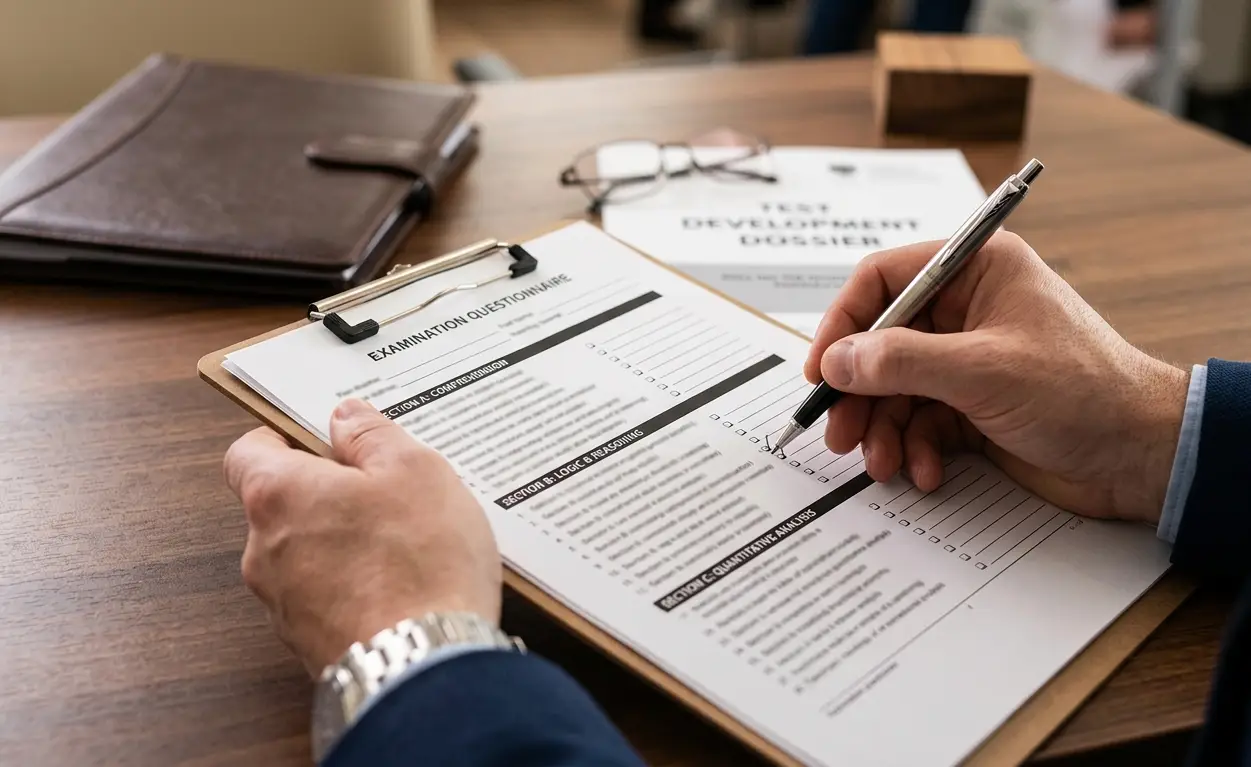
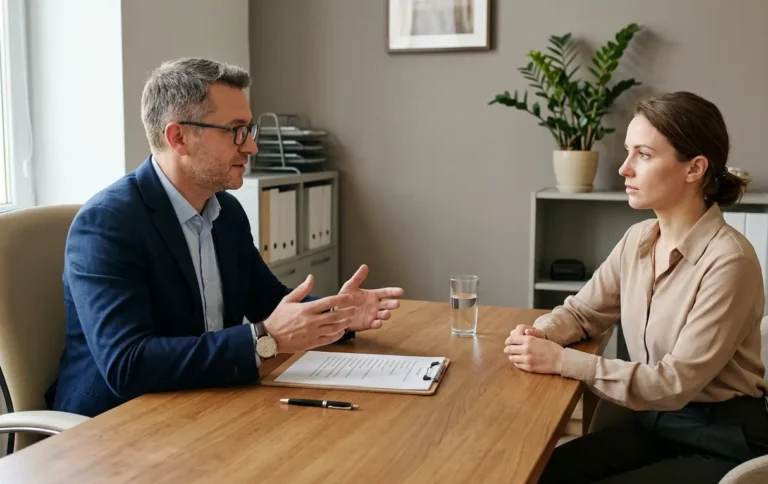
The appointment takes between ninety minutes and three hours. The examiner first works through the case: what has to be established, which episodes carry weight, which phrasing is fair. The participant then hears the entire list word for word, so nothing unexpected appears during recording.
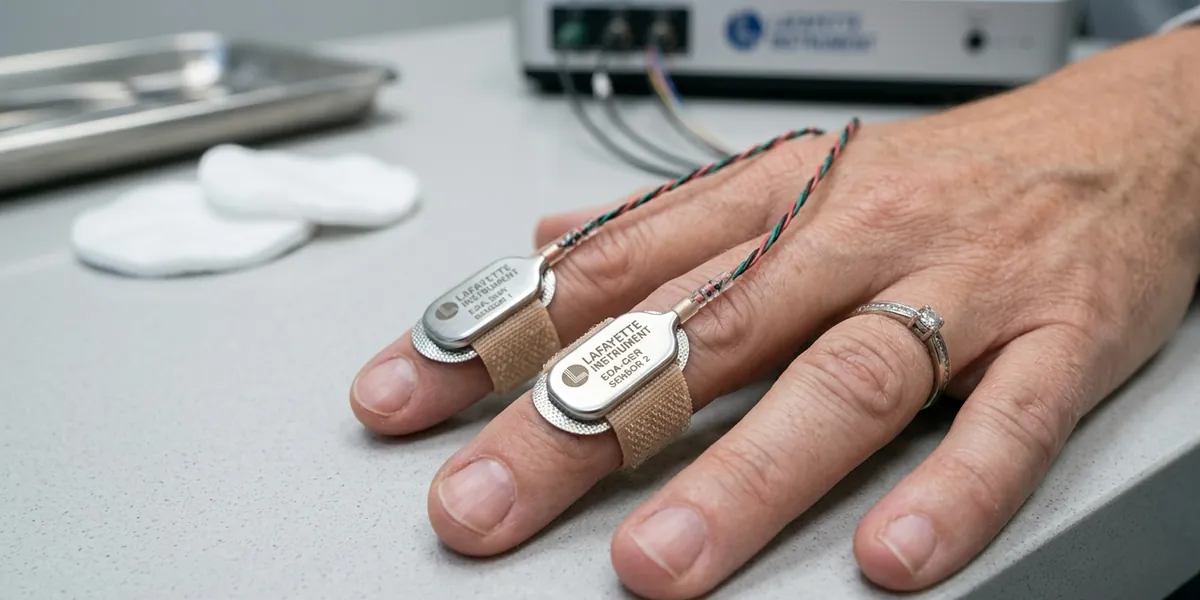
Once consent is on paper, four channels start recording at once: the rhythm of breathing, the pulse, blood pressure and the conductivity of the skin. Nobody steers those deliberately, so they drift the moment a question lands on something hidden. What decides the outcome is repetition between series, never a single peak. The instruments are listed on the equipment page.
A free first conversation in which we judge whether the method fits the case.
Choosing the city, the date and the room for the session.
Questions drafted with the examiner and read to the participant beforehand.
Written consent given by the participant.
Measurement in short series with breaks.
The conclusion is spoken on the day; the document arrives in three to five working days.
The fee depends on the format and on how many topics one appointment has to cover.
The written report is included in the fee. Where there is more material than one sitting allows, the coordinator flags it in advance and offers a two-day schedule at a price agreed beforehand.
Tip: for a corporate booking, check first whether the company has a works council — that determines which approvals are needed before the test can go ahead.
| Service | Price | Duration |
|---|---|---|
| On-site session | €365 | 90–180 min |
| Remote session | €175 | 30–60 min |
| Examination conducted in English | +€80 | surcharge |
We keep no permanent premises in the country, so the venue follows the case.
Rail connections inside Austria are good, so travelling to a neighbouring city rarely shifts a date by more than a day. Winter resorts in peak season are the exception: rooms and parking there are booked out well in advance.
Austria has no statute dedicated to examinations, but an employer has very little room for control measures. Under § 96(1)(3) of the Labour Relations Act (ArbVG) the introduction of control measures and technical systems that affect human dignity requires the agreement of the works council. Section 10 of the AVRAG goes further and prohibits such measures unless they are covered by a works agreement or, in companies without a works council, by the employee’s own consent.
A corporate examination here is therefore built like this:
Where the result is intended for a lawyer or a dispute, the report is prepared in a fuller format — see examinations requested by a lawyer. If you already hold somebody else’s conclusion and it is being questioned, there is a separate service for the evaluation of a third-party examiner’s report.
Important: we do not advise on Austrian employment law and give no guarantee that an employer or a court will accept the conclusion. Internal approvals remain the client’s responsibility.
The deliverable is a five-part report: the background to the case, the list of questions in their agreed wording, an assessment of each one, the examiner’s note on what should be checked by other means, and a signature. Charts and a methodology description are attached on request, which is what lawyers usually ask for.
Where the data does not resolve, the report states that plainly. Credentials can be verified in the register of examiners.
Corporate requests here are more careful than in southern Europe. By the time a polygraph examiner is called in, the company has usually run its own review and agreed the procedure internally; the test then answers the last remaining question — who was actually involved.
| Situation | What the examination adds |
|---|---|
| Missing or damaged property | A narrower circle, without searches or public accusations |
| Hiring into a role with financial access | CV details and reasons for leaving earlier jobs, verified |
| Leaked commercial information | A focused look at whoever had access to the documents |
| Conflict with a former employee | A clearer picture before the dispute escalates |
| Vetting a contractor or a team | Readiness to deliver on what was agreed |
The scenarios are described separately: personnel screening, internal investigations and checks for arbitration teams. For private households there is vetting domestic staff.
Enquiries here arrive prepared: there is usually an internal paper trail and sometimes a lawyer’s opinion already. Three storylines recur.
A company finds a shortfall, runs its own review and ends up with two mutually exclusive explanations. Dismissal without grounds is not an option and leaving it alone is worse. The test is offered to everyone involved voluntarily, and it usually clears most of them.
Somebody is held responsible for a data leak with nothing formal to support it, yet the atmosphere around them has changed. In cases like that the participant initiates the examination, and the report becomes their argument in a conversation with management.
Relatives invest together in property and discuss the shares verbally. Years later the accounts of what was agreed diverge and no document exists. The examination does not divide assets, but it does show who simply remembers differently and who is knowingly misstating things.
A examination only goes ahead when the participant is in an ordinary state. We move the appointment if there is:
Mention regular medication when booking: most of it is no obstacle, but the examiner needs to know beforehand. Nerves do not affect the outcome — anxiety runs as a background through the whole recording while a reaction to a significant question stands out against it.
Austrian companies usually arrive with the procedure already documented, and our part fits into it without leaving traces: the enquiry stays with the coordinator, the participant signs the consent, and the paperwork goes to whoever commissioned the work.
One point on consent: if an employee has been pressured into attending, the appointment does not proceed. We say so to the client plainly, because a conclusion obtained under pressure is worth nothing to the company and nothing to a court.
Tell us what happened and who needs to be tested; two sentences are enough to begin. The coordinator will clarify the details, propose a format and dates, and the questions are agreed with the examiner before the session. The consultation is free.
An on-site session starts at €365 and a remote one at €175, with €80 added when the examination is conducted in English. The written report is included and the coordinator confirms the total at booking.
No. Control measures that affect human dignity require agreement with the works council, and in companies without a works council the employee’s own consent. A refusal cannot be grounds for dismissal.
Vienna, Graz, Linz and Salzburg most often. For Innsbruck and smaller towns a remote session is usually easier, since we hold no permanent office in the country.
Plan for two to three hours. Talking through the case and settling the wording takes about as long as the recording itself, and you leave knowing the result; the signed document arrives a few working days later.
English, Russian and Ukrainian. We do not offer testing in German, because the result depends on understanding each question precisely.
Accuracy is 95–98 per cent where the methodology is followed and the participant is in a normal state. Inconclusive data is reported as inconclusive.
Yes, and it is a frequent request. The participant initiates the examination and uses the report afterwards in a conversation with an employer or within the family.
It does not. Worry sits in the background of the whole chart, whereas the reaction we look for is a change tied to one particular sentence. Nor can anyone prepare: the wording is known to the participant in advance.
Vienna, Graz, Linz and Salzburg in person; video sessions for the alpine regions. Method accuracy of 95–98 per cent and a signed document within three to five working days.
Request a callback

The areas our clients ask about most often. Open the one you need for the procedure, duration and pricing.
What Questions Are Asked on a Polygraph: Types, Examples and What You Cannot Ask Editorial Team, Polygraph Examiners...
Read more →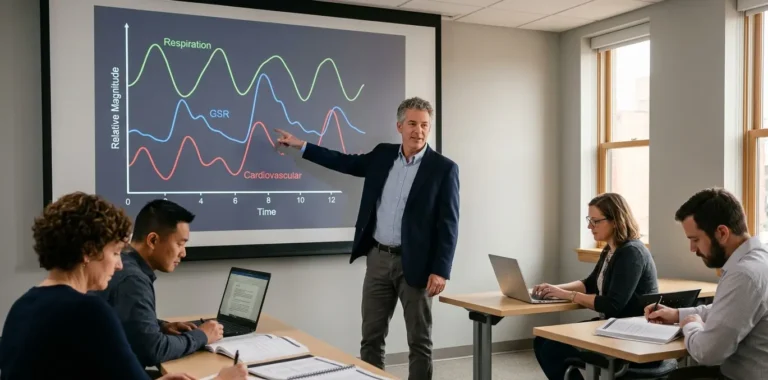
How to Become an Expert Polygraph Examiner: Training, Certification and the Path to Professionalism Editorial Team...
Read more →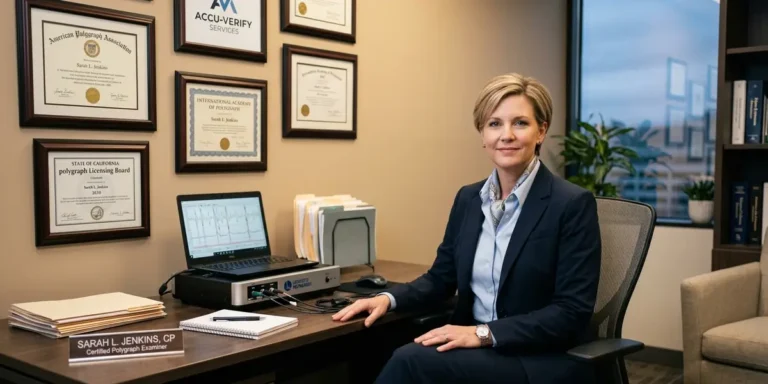
How to Choose a Reliable Polygraph Examiner: 7 Signs of a True Professional A lie detector test is a serious procedure...
Read more →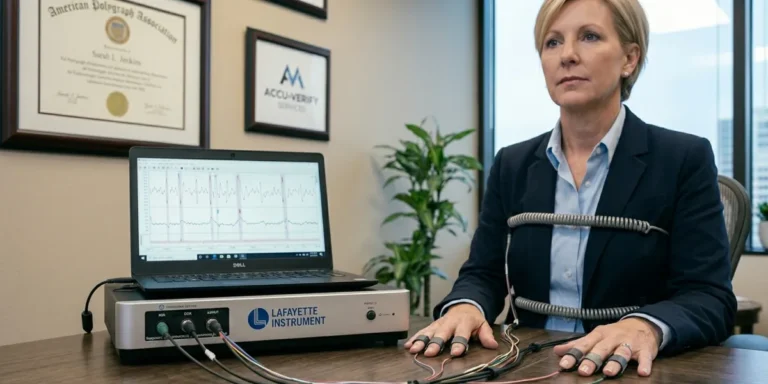
How a Lie Detector Works: Physiology, Technology, and Stages of a Polygraph Test The term "lie detector" is familiar to...
Read more →Certified SPU examiners work across Europe, Asia and North America — choose your country


1
2